
What to Pack for a Morocco Desert Tour: The Ultimate Checklist
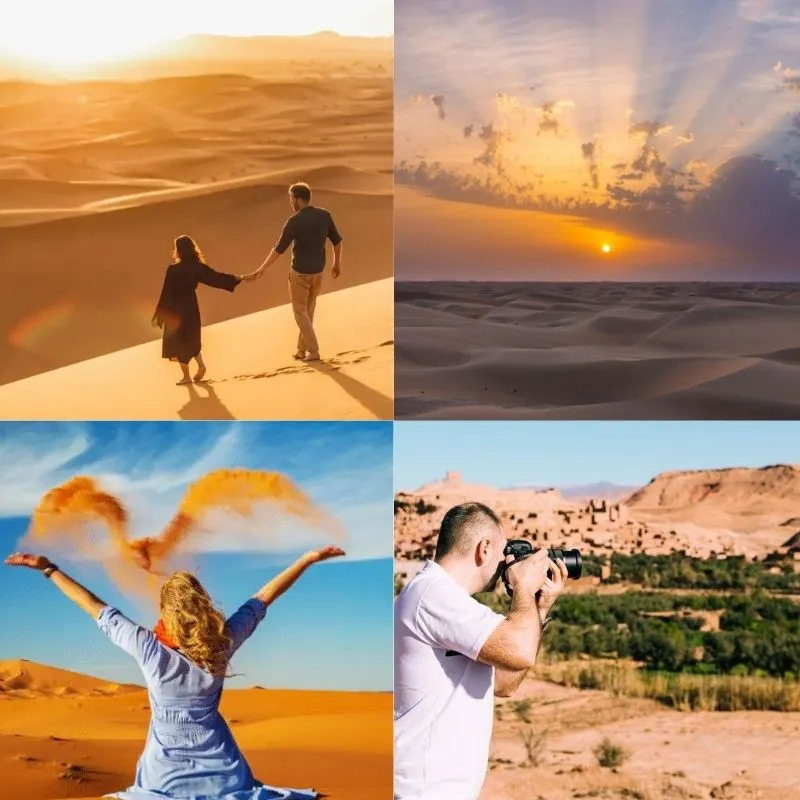
Embarking on a desert tour in Morocco is the adventure of a lifetime. From the towering Atlas Mountains to the endless golden dunes of the Sahara, the landscapes are as diverse as they are breathtaking. But this diversity can make packing a challenge. What do you wear on a camel? How cold does the desert actually get at night? Fear not! As experts in crafting unforgettable Moroccan journeys, we've created the ultimate Morocco desert tour packing list to ensure you're comfortable, prepared, and culturally respectful every step of the way.
The Golden Rules: Layering and Modesty
Before we dive into the specifics, let's cover the two most important principles of packing for Morocco:
- Layering is Key: Morocco's climate is one of extremes. You could be sweating under the midday sun in the Sahara and shivering just a few hours later after sunset. The temperature drop in the desert is dramatic. The same applies when crossing the Atlas Mountains, where high altitudes can bring a sudden chill. Packing lightweight layers—t-shirts, long-sleeved shirts, a fleece, and a warmer jacket—allows you to adapt instantly to changing conditions.
- Dress with Respect: Morocco is a modern Muslim country, but it's still conservative by Western standards. To show respect for the local culture (and to avoid unwanted attention), it's wise to dress modestly. This generally means keeping your shoulders and knees covered. Loose-fitting, breathable clothing is not only respectful but also the most comfortable option in the heat.
The Ultimate Morocco Packing Checklist
Clothing Essentials
Focus on lightweight, breathable fabrics like cotton, linen, and moisture-wicking blends.
- Tops: 3-4 t-shirts or short-sleeved tops, and 2-3 long-sleeved shirts for sun protection and layering.
- Bottoms: 2-3 pairs of loose-fitting trousers, linen pants, or maxi skirts/dresses. Jeans can be too hot for daytime but are fine for cooler evenings.
- Warm Layers: A fleece jacket or a warm hoodie is non-negotiable.
- Outerwear: A packable down jacket or a windbreaker is essential for cold desert nights and mountain passes, especially from October to April.
- Footwear: One pair of comfortable, broken-in walking shoes (sneakers or hiking shoes) is a must. One pair of sandals or flip-flops for relaxing at your hotel or the desert camp.
- Undergarments & Socks: Pack enough for the duration of your trip, prioritizing breathable materials.
- Scarf or Pashmina: This is the most versatile item you can pack! Use it to cover your head/shoulders for modesty, protect your face from dust on a camel trek, or add warmth in the evening.
Toiletries & Health Kit
- Sunscreen: High SPF (30-50) is crucial. The Moroccan sun is intense.
- Lip Balm with SPF: The desert air is very dry.
- Basic First-Aid Kit: Include plasters, pain relievers (ibuprofen/paracetamol), antiseptic wipes, motion sickness tablets (for winding mountain roads), and any personal prescription medications.
- Hand Sanitizer & Wet Wipes: Life-savers when you're on the road.
- Insect Repellent: Especially for evenings near oases.
- Travel-sized Toiletries: Shampoo, conditioner, soap, toothbrush, toothpaste.
Electronics & Documents
- Power Bank: Absolutely essential. Charging facilities at the desert camp can be limited. A fully charged power bank will ensure your phone and camera are always ready.
- Universal Travel Adapter: Morocco uses Type C and E plugs (the standard European two-pin plug).
- Camera: With extra batteries and memory cards. You will take more photos than you think!
- Passport & Visa: Ensure your passport is valid for at least six months beyond your travel dates. Check visa requirements for your nationality.
- Travel Insurance: A copy of your policy and emergency contact numbers.
- Cash: While cards are accepted in cities, many smaller towns, souks, and desert services are cash-only. It's wise to carry a mix of Moroccan Dirhams.
Seasonal Packing Guide
While the core list remains the same, here's how to adjust for the seasons:
- Spring (March-May) & Autumn (Sept-Nov): The best time to visit. Days are warm and sunny, nights are cool. The core packing list is perfect for these months.
- Summer (June-August): Expect intense heat, especially in the desert. Prioritize ultra-lightweight, loose, light-colored clothing. A wide-brimmed hat is a must.
- Winter (Dec-Feb): Days can be pleasant and sunny, but it gets very cold as soon as the sun sets. Temperatures in the desert can drop to freezing. You absolutely need a warm winter jacket, thermal layers, wool socks, gloves, and a beanie.
Ready for Your Moroccan Adventure?
Packing correctly is the first step to an incredible journey. Now that you're prepared, you can focus on the amazing experiences ahead. Our tours, like the popular 3-Day Desert Tour from Fes to Marrakech, handle all the logistics so you can simply immerse yourself in the magic of Morocco. Have questions? Contact us anytime!
Read more of our reviews on TripAdvisor (opens in a new window)