
The Best Time to Visit Morocco: A Season-by-Season Guide
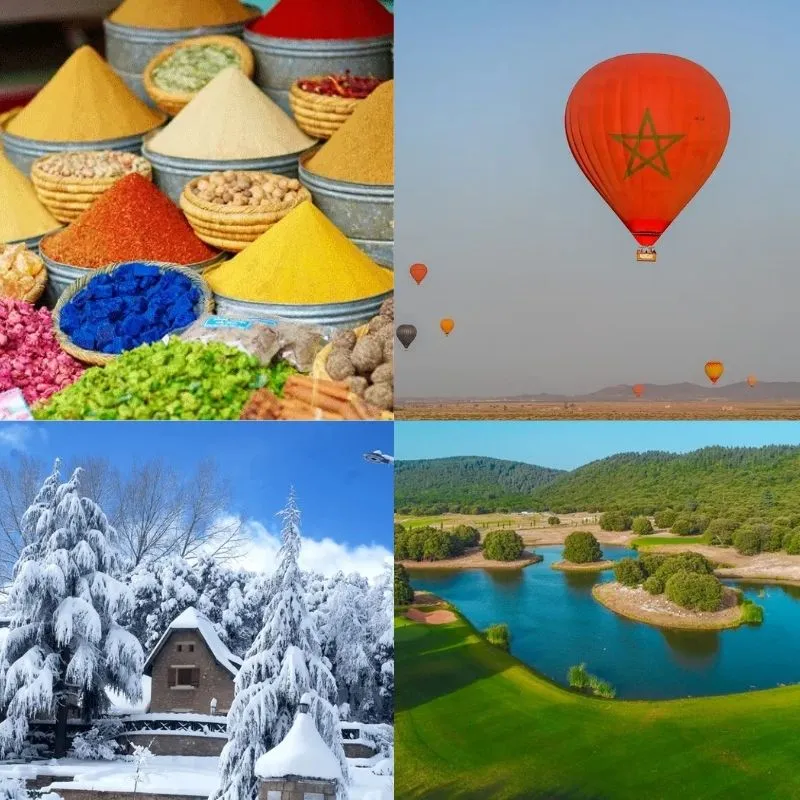
Morocco is a country of dazzling diversity, where you can ski in the Atlas Mountains in the morning and ride a camel into the Saharan sunset in the afternoon. This incredible variety of landscapes and climates means that the "best time to visit" truly depends on what you want to see and do. Are you dreaming of wandering the bustling souks of Marrakech, hiking through lush green valleys, or experiencing the profound silence of the desert? Deciding when to go is the first and most crucial step in planning your perfect Moroccan adventure. This comprehensive, 1500+ word guide will walk you through each season, helping you choose the ideal time for your trip.
At a Glance: The Best Time to Go for Every Traveler
No time for the full breakdown? Here's a quick summary:
- Overall Best Time: Spring (March-May) & Autumn (September-November).
- Best for the Sahara Desert: October to May, to avoid the extreme heat of summer.
- Best for Beaches & Coast: Summer (June-August) for guaranteed hot, sunny beach days.
- Best for Hiking the Atlas Mountains: Spring (April-May) & Autumn (September-October).
- Best for Budget & Fewer Crowds: Winter (December-February), outside of the Christmas/New Year holidays.
Spring (March to May) – The Sweet Spot
Widely considered the absolute best time to visit Morocco, spring is a season of pure magic. The country shakes off the winter chill and bursts into vibrant life. Wildflowers carpet the countryside, the mountain valleys are lush and green, and the weather is idyllically pleasant almost everywhere. The days are comfortably warm and sunny, perfect for exploring the bustling medinas of Fes and Marrakech, while the nights are cool and crisp. In the Sahara, daytime temperatures are ideal for activities like camel trekking and 4x4 tours, without the oppressive heat of the summer months. This is the Morocco you see in postcards. The landscapes are at their most photogenic, from the poppy fields of the south to the verdant foothills of the Atlas Mountains.
What to Do: This is the perfect season for a grand tour. Explore the imperial cities, embark on a multi-day desert tour from Fes to Marrakech, and hike in the Atlas Mountains before the summer heat sets in. Don't miss the famous Rose Festival in Kelaat M'gouna, typically held in May, a fragrant celebration of the Damask rose harvest.
Downsides: You won't be alone. Spring is Morocco's peak tourist season, which means popular sites will be busier, and prices for flights and accommodations will be at their highest. It's essential to book your tours and riads well in advance to secure the best options.
Summer (June to August) – Sun, Sea, and Sizzle
Summer in Morocco is defined by one thing: heat. In inland cities like Marrakech and Fes, and especially in the Sahara Desert, temperatures regularly soar above 40°C (104°F). For many, this intense heat can be overwhelming and make extensive sightseeing during the day a real challenge. The desert is particularly extreme, with scorching daytime temperatures making long excursions difficult.
What to Do: Head for the coast! Morocco's Atlantic coastline is a perfect summer escape. The cool ocean breeze provides welcome relief, with cities like Essaouira and Taghazout offering a laid-back vibe, fresh seafood, and fantastic conditions for surfing and kitesurfing. The Rif Mountains in the north, including the blue city of Chefchaouen, also offer cooler, more pleasant temperatures for exploration. If you do visit the interior, plan your days around early morning and late evening activities, reserving the scorching midday hours for a relaxing dip in your riad's pool.
Downsides: The extreme heat in the interior can be a serious deterrent. If your heart is set on a deep Sahara experience, this is probably not the best time to visit. However, if you're a sun-worshipper looking for a beach holiday, summer is your season.
Autumn (September to November) – The Second Spring
Autumn is another fantastic season for visiting Morocco, often referred to as the "second spring." The intense heat of summer subsides, leaving behind beautifully warm and sunny days and comfortably cool evenings. The landscapes, while not as green as in spring, still hold a golden charm, and the tourist crowds of spring have thinned out slightly. The Atlantic is still warm enough for swimming in September and early October, and the temperatures in the Sahara are once again perfect for camel trekking and nights under the stars. The light during this season is often softer and more golden, making it a photographer's dream. It's also the season for the date harvest in the desert oases, offering a unique cultural experience.
What to Do: Like spring, autumn is ideal for a comprehensive tour of the country. It's a prime time for hiking in the Atlas Mountains, as the trails are clear and the weather is stable. The Erfoud Date Festival, usually held in October, is a vibrant celebration worth experiencing if your itinerary allows. A classic 3-day desert tour from Fes to Marrakech is spectacular during this time.
Downsides: While less crowded than spring, it's still a popular season. Towards late November, the weather can become more unpredictable, with a higher chance of rain in the north and cooler temperatures creeping in.
Winter (December to February) – The Cool and Quiet Season
Winter offers a completely different, yet equally enchanting, Moroccan experience. The country is at its quietest, with far fewer tourists and significantly lower prices for flights and accommodation. The weather is a mixed bag: the north can be damp and rainy, while Marrakech and the south often enjoy crisp, sunny winter days perfect for sightseeing. The High Atlas Mountains are typically blanketed in snow, creating stunning vistas and even offering skiing opportunities in resorts like Oukaimeden.
What to Do: This is a great time to explore the cities without the crowds. The desert is also beautiful in winter, with clear, crisp air, but be prepared for the cold. Nights in the Sahara can drop to freezing temperatures, so packing warm layers, including thermals, a winter hat, and gloves, is absolutely essential. Waking up to see the frost-kissed orange dunes is a unique and beautiful sight.
Downsides: The cold is the main factor to consider. Some high mountain passes can occasionally be closed due to snow, which may require itinerary adjustments. Swimming on the coast is generally out of the question. However, if you dress warmly and embrace the cozy evenings by the fire in your riad, winter can be a wonderfully rewarding and budget-friendly time to visit.
Conclusion: Your Perfect Moroccan Adventure Awaits
Ultimately, there is no single "best" time to visit Morocco—only the best time for *you*. Whether you choose the blooming landscapes of spring, the coastal sunshine of summer, the golden hues of autumn, or the peaceful quiet of winter, Morocco promises an adventure that will captivate your senses. Ready to start planning? Explore our range of private Morocco tours that can be customized to any season. Contact us to begin crafting your dream journey!
Read more of our reviews on TripAdvisor (opens in a new window)